Starting an export business in India mainly needs four things: the right registrations, a product with demand abroad, a reliable buyer and careful handling of documents, shipping and payment. Get these right and your first shipment can be the start of steady global growth.
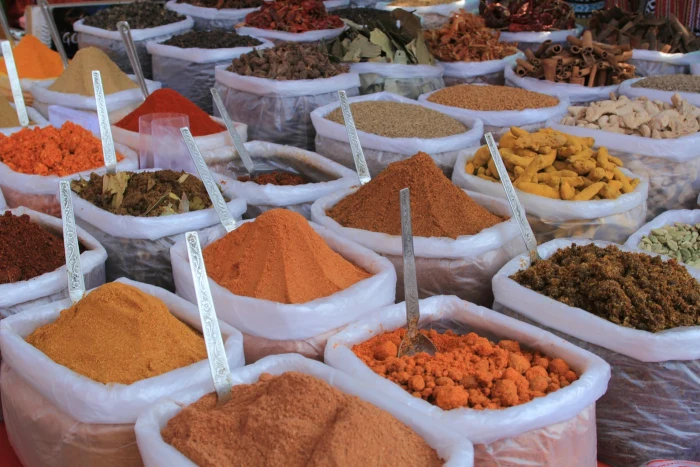
Many Indian businesses make products that buyers around the world would happily pay for, from spices and textiles to handicrafts, engineering parts and ready-made garments. Yet a lot of owners never take the first step, because exporting sounds complicated, full of paperwork and risky.
The truth is that the export process becomes simple once you see it as a series of clear steps. This guide walks you through them in plain language, from registrations and finding buyers to pricing, documents, shipping and getting paid, so you can plan your first export with confidence.
Key Takeaways
- Get the basics in place: PAN, current account, GST registration and an IEC from DGFT.
- Choose a product with real demand abroad and check the rules of your target country.
- Find buyers through B2B portals, trade fairs, Export Promotion Councils and referrals.
- Agree clear prices, Incoterms and payment terms before you ship.
- Prepare accurate documents and work with a reliable freight forwarder and CHA.
Why Start Exporting?
Exporting opens your business to customers far beyond your local market. It can bring bigger orders, better prices for quality products and less dependence on a single region. Many exporters also find that serving international buyers raises their standards in quality, packaging and service, which helps the whole business.
India also supports exporters through schemes like RoDTEP, duty drawback and zero-rated GST, which can make your products more competitive abroad.
Step 1: Set Up Your Business and Registrations
Before you look for buyers, put the legal basics in place. These registrations are needed for customs, banking and export benefits, and most can be done online.
Basic Registrations for New Exporters
- Business entity and PAN: a proprietorship, partnership, LLP or company with its own PAN.
- Current bank account: in the business name, with a bank that handles foreign payments.
- GST registration: required for most exporters, and needed to file a GST LUT.
- IEC (Import Export Code): issued online by DGFT, linked to your PAN.
- RCMC: membership of the Export Promotion Council for your product, to claim scheme benefits.
- Product-specific approvals: such as FSSAI for food, or other licences for regulated goods.
Step 2: Choose Your Product and Target Market
Start with a product you know well and can supply consistently in good quality. Then research which countries buy it, at what prices and under what rules. Check the HS code of your product, import duties in the buyer's country, labelling rules and any certifications they require. Choosing the right first market can save you months of effort.
Questions to Answer Before You Pick a Market
- Is there steady demand for my product in this country?
- What prices do buyers there usually pay?
- What import duty applies, and does India have a trade agreement with them?
- Are there special certifications, tests or labelling rules?
- How long and how costly is shipping to this market?
- Who are my main competitors from other countries?
Quick tip
If India has a free trade agreement with your buyer's country, a preferential Certificate of Origin may reduce or remove the import duty your buyer pays. That can make your price more attractive than competitors from other countries.

Step 3: Find Your First Buyers
Finding a genuine buyer is often the biggest challenge for new exporters. Build a simple product catalogue and a professional website, then reach out through B2B portals, trade fairs, your Export Promotion Council and Indian trade offices abroad. Video calls, quick replies and good samples go a long way in building trust with overseas buyers.
- Shipping goods before terms are agreed in writing
- Trusting buyers who refuse any verification
- Sending large free samples to unknown contacts
- Promising delivery dates you cannot meet
- Ignoring the buyer's quality and packing needs
- Confirm orders with a proforma invoice or contract
- Check the buyer's company details and references
- Send small, well-packed samples with a clear price list
- Give realistic timelines and keep buyers updated
- Agree on quality, packing and labels before production
Step 4: Agree on Price, Incoterms and Payment
Your export price must cover the product, packing, local transport, documentation, freight (if you pay it), insurance, bank charges and your profit. Incoterms are international rules that make clear who pays for what and where responsibility passes from seller to buyer.
Agree the Incoterm, currency, payment terms and delivery date in writing before production starts. This avoids confusion and disputes later.
Common Incoterms for New Exporters
-
EXW (Ex Works)
- Your responsibility
- Make goods ready at your premises
- Good to know
- Least work for you, but the buyer handles export steps, which can be difficult from India
-
FOB (Free on Board)
- Your responsibility
- Deliver goods on board the ship at the Indian port
- Good to know
- Very popular with Indian exporters; the buyer pays sea freight and insurance
-
CIF (Cost, Insurance and Freight)
- Your responsibility
- Pay freight and basic insurance to the destination port
- Good to know
- Buyer-friendly option; include freight and insurance costs in your price
-
DAP (Delivered at Place)
- Your responsibility
- Deliver goods to a named place in the buyer's country
- Good to know
- More responsibility for you; the buyer usually handles import duties
Did you know?
ECGC, a Government of India enterprise, offers export credit insurance that protects exporters if an overseas buyer fails to pay. For new exporters working with new buyers, it can add an important layer of safety.
Step 5: Prepare Your Export Documents
Correct paperwork keeps your shipment moving and makes sure you get paid. Most of these documents are prepared by you, your freight forwarder and your customs broker (CHA), and they must match each other exactly.
Key Documents for Your First Shipment
- Proforma invoice or sales contract with agreed terms
- Commercial invoice with value, HS code and Incoterm
- Packing list showing boxes, weights and contents
- Shipping bill, filed with customs through ICEGATE
- Bill of lading (sea) or airway bill (air)
- Certificate of origin, when required by the buyer or trade agreement
- Insurance certificate and product certificates, if applicable
Step 6: Ship Your Goods and Clear Customs
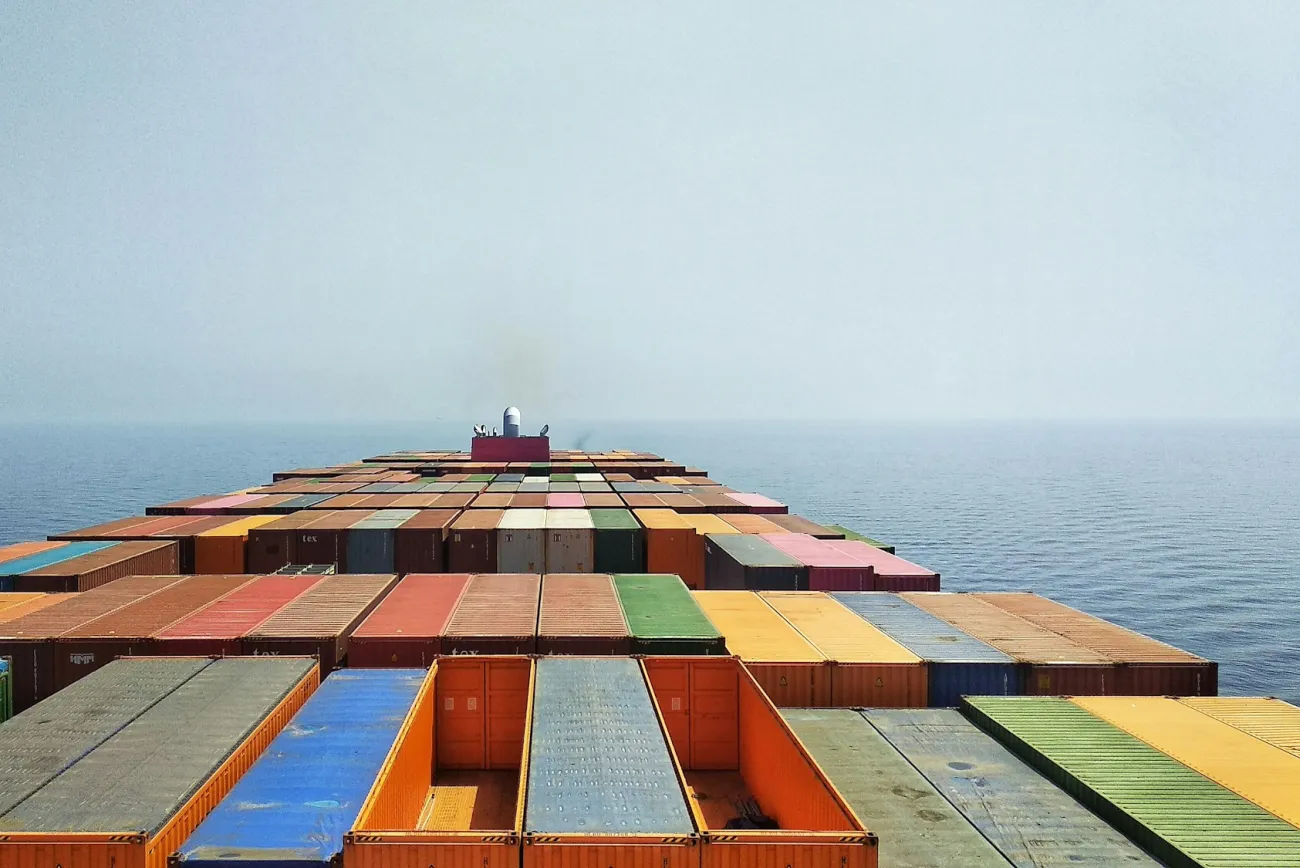
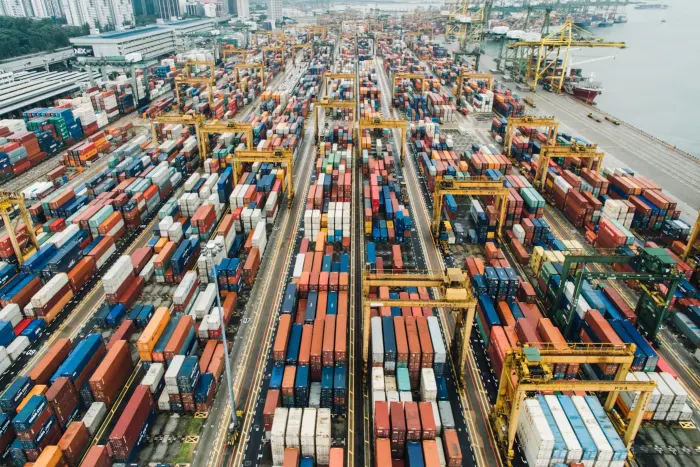
Pack your goods to export standards, with strong cartons, pallets where needed and clear shipping marks. A freight forwarder books space on a ship or flight, while a customs broker files the shipping bill and handles customs clearance. Once customs gives the Let Export Order, your cargo is loaded and the bill of lading or airway bill is issued.
Step 7: Get Paid and Claim Your Benefits
Send your documents to the buyer or their bank as agreed in the payment terms. Once payment arrives, your bank records it against your shipment, which is important for staying compliant with foreign exchange rules.
Do not forget export benefits. Depending on your product, you may be able to claim RoDTEP, duty drawback or an IGST refund. Exporting under a GST LUT also helps protect your working capital.
Your First Export at a Glance
- Complete PAN, bank, GST, IEC and RCMC registrations.
- Choose your product, check its HS code and research target markets.
- Build a catalogue and reach out to potential buyers.
- Send samples, agree price, Incoterm and payment terms in writing.
- Produce, pack and label the goods to the buyer's requirements.
- Prepare documents and book freight with a forwarder.
- Clear customs through a CHA and ship the goods.
- Collect payment and claim eligible export benefits.
For your first export, start small and keep it simple. One product, one market and one serious buyer is enough. Get every document right, choose safe payment terms and learn from that shipment before you scale up.
Frequently Asked Questions
Do I need a company to start exporting from India?
No. You can export as a sole proprietor, partnership firm, LLP or private limited company. What you need is a PAN, a current bank account in the business name, GST registration in most cases and an IEC (Import Export Code).
What is an IEC and how do I get it?
An IEC (Import Export Code) is a 10-digit code issued by the Directorate General of Foreign Trade (DGFT). It is required for most import and export activity. You can apply online on the DGFT website using your PAN and basic business details, and it is usually issued quickly.
Is RCMC compulsory for exporters?
An RCMC (Registration-cum-Membership Certificate) from the relevant Export Promotion Council is needed to claim many benefits under the Foreign Trade Policy. It is not required for every shipment, but most regular exporters get one because it opens access to schemes, trade fairs and buyer leads.
How do I find my first international buyer?
Common ways include B2B portals, international trade fairs, your Export Promotion Council, Indian embassies and trade missions abroad, LinkedIn and referrals. Many exporters start by sending samples and building trust with one or two serious buyers.
What is the safest way to get paid in exports?
Advance payment is the safest for the exporter, followed by a Letter of Credit (LC) from a reputed bank. Open account terms are riskier and should be used only with trusted buyers. Export credit insurance, such as cover from ECGC, can protect you against non-payment.
Do I have to pay GST on exports?
Exports are treated as zero-rated supplies under GST. Most exporters file a Letter of Undertaking (LUT) so they can export without paying IGST upfront. Alternatively, you can pay IGST and claim a refund later. A tax professional can help you choose the right option.
Final Thoughts
Exporting is not as complicated as it first looks. With the right registrations, a well-chosen market, clear agreements with buyers and accurate documents, your first shipment can go smoothly and open the door to steady international business.
Take it one step at a time, lean on experienced partners for freight, customs and paperwork, and focus on building long-term trust with your buyers. Every successful exporter started with a single shipment, and yours can be next.
Ready to Make Your First Export?
From IEC and documents to freight and customs, we can guide you through every step of your first shipment.