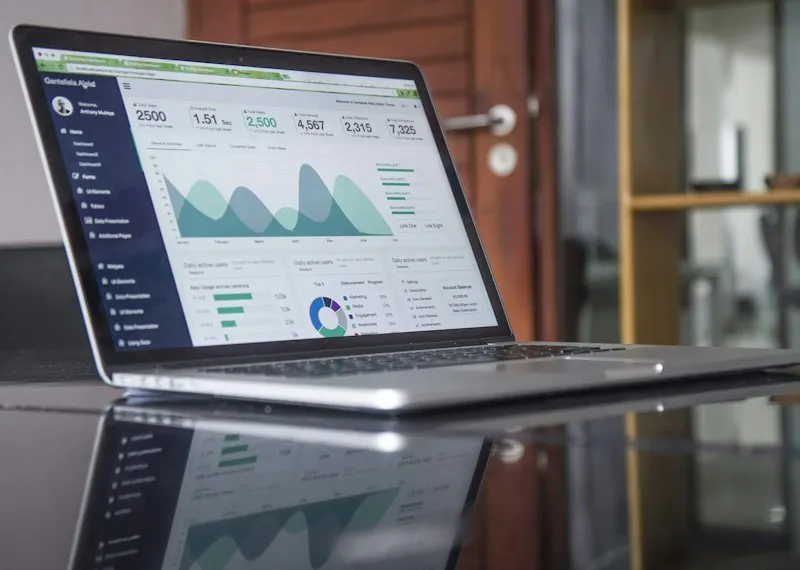
A marketplace is like renting a stall in a busy mall: the crowd is already there, but you follow the mall's rules and pay its fees. Your own online store is like owning your shop: you bring the customers yourself, but every decision and every customer relationship is yours.
You have great products and you are ready to sell online. Now comes the big question: should you list them on a marketplace like Amazon, Flipkart or Meesho, or build your own online store with your own brand and website?
Both paths can lead to strong sales, but they work in very different ways. One gives you instant access to millions of shoppers, while the other gives you full control and a brand you truly own. This guide breaks down the real pros and cons of each, so you can choose what suits your products, budget and plans.
Key Takeaways
- Marketplaces give you ready buyers and trust, but charge fees and set the rules.
- Your own store gives you full control, better margins and direct customer relationships.
- Marketplaces suit new sellers who want quick sales with low setup effort.
- Your own store suits brands that want to grow long-term and earn repeat buyers.
- Many successful sellers use both, with each channel supporting the other.
What Is the Difference?
A marketplace is a large shopping platform where many sellers list their products in one place, such as Amazon, Flipkart, Meesho or Myntra. The platform brings the shoppers, handles payments and often helps with delivery, and you pay fees for each sale.
Your own online store is a website built only for your brand, usually on platforms like Shopify or WooCommerce. You decide how it looks, what you charge and how you treat customers, but you are also responsible for bringing visitors to it.
Selling on a Marketplace
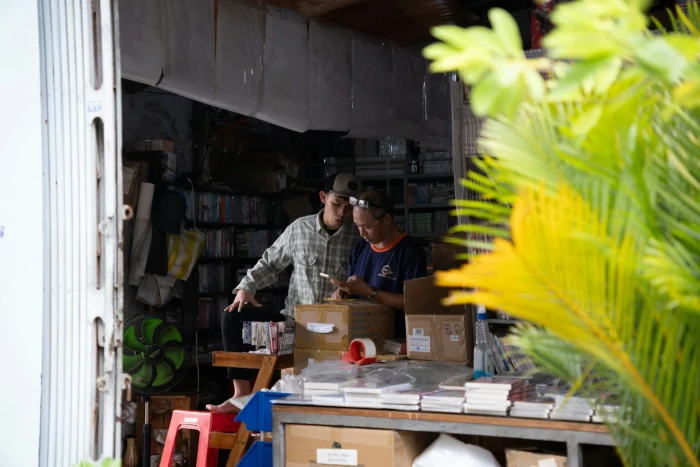
The biggest advantage of a marketplace is the ready audience. Shoppers already visit these platforms every day and trust them with payments and returns. You can create a seller account, list your products and start getting orders without building a website or spending heavily on marketing first.
- Millions of ready buyers already on the platform
- Built-in trust, payments and return systems
- Low setup cost and quick start
- Delivery and fulfilment support available
- Easy to test new products
- Commission and other fees on every sale
- Strong price competition from other sellers
- Limited access to customer details
- You must follow platform rules that can change
- Harder to build your own brand identity

Running Your Own Online Store
With your own store, your brand is front and centre. There are no competitors listed next to your products, you set your own prices and offers, and you own your customer list. Over time, this lets you build loyalty, send offers to past buyers and grow a brand that is not tied to any single platform.
- Full control over design, prices and policies
- No marketplace commission on each sale
- You own customer data for repeat marketing
- Stronger brand identity and loyalty
- Freedom to bundle, upsell and run your own offers
- You need to bring your own visitors
- Upfront cost for setup and design
- You build trust from scratch
- You handle payments, shipping and support setup
- Results take longer without a marketing plan
Did you know?
Marketplace fees are more than just commission. Depending on the platform and category, you may also pay closing fees, shipping or fulfilment charges, storage fees and advertising costs. Always calculate your profit after all fees before setting your price.
Comparing the Real Costs
Cost is often the deciding factor, so it helps to look beyond the setup price. A marketplace is cheap to start but takes a share of every sale for as long as you sell there. Your own store costs more to set up and needs a marketing budget, but once customers start coming back, each sale usually earns you more.
A simple way to compare is to work out your profit on one typical order in both channels, after fees, shipping, packaging and marketing. That number tells you more than any general advice.
Which Option Fits Your Business?
-
Marketplace Only
- Best for
- New sellers, resellers and those testing products
- Why it works
- Quick access to buyers with low setup effort and cost
-
Own Store Only
- Best for
- Unique brands, niche products and D2C businesses
- Why it works
- Full control, better margins and loyal repeat customers
-
Marketplace + Own Store
- Best for
- Growing brands that want both reach and control
- Why it works
- Marketplaces bring volume while your store builds the brand
-
Global Marketplaces
- Best for
- Exporters and brands selling overseas
- Why it works
- Reach international buyers through trusted global platforms
When a Marketplace Makes More Sense
If you are just starting out, a marketplace can be the fastest way to learn what sells. You get real feedback from real buyers without investing in a full website and advertising from day one.
Choose a Marketplace First If
- You are new to online selling and want to start quickly
- You sell everyday products that people already search for on marketplaces
- You do not have a budget for building and marketing a website yet
- You want to test which products sell before investing more
- You prefer the platform to handle payments, returns and delivery
When Your Own Store Makes More Sense
If your products are unique and your brand matters, your own store lets you tell your story properly. It is also the better long-term choice if you want to build repeat customers instead of competing on price every day.
Choose Your Own Store First If
- You have a unique brand, handmade or niche products
- Your margins are too thin to afford marketplace fees
- You already have followers on social media or loyal customers
- You want to collect customer details and market to them directly
- You plan to build a long-term brand, not just sell products

The Smart Middle Path: Use Both
You do not have to choose only one. Many brands start on a marketplace to build sales and reviews, then launch their own store to grow margins and loyalty. A thank-you card or a special offer inside each package can invite marketplace buyers to visit your website next time, as long as you follow each platform's rules.
A Simple Step-by-Step Plan
- List your best products on one marketplace that suits your customers.
- Learn what sells, what buyers ask and which prices work.
- Build your own online store with your best-selling products.
- Promote your store through social media, WhatsApp and search.
- Collect customer emails and numbers with permission for repeat offers.
- Keep both channels running and track profit in each one.
Quick tip
Read each marketplace's seller policies before adding inserts or messages to your packages. Some platforms do not allow you to direct their buyers to outside websites, and breaking these rules can put your seller account at risk.
Think of marketplaces as your sales channel and your own store as your brand home. Use the marketplace to learn what customers want, then put your best products and best experience on your own website, where every repeat order is fully yours.
Frequently Asked Questions
Is it cheaper to sell on a marketplace or on my own store?
Marketplaces have low setup costs but take fees on every sale, such as commission, closing and shipping charges. Your own store needs an upfront investment and ongoing marketing, but you keep more from each order. Which is cheaper depends on your sales volume, margins and how well you can bring in your own traffic.
Can I sell on a marketplace and my own website at the same time?
Yes. Many sellers do both. They use marketplaces for reach and quick sales, and their own store to build a brand, earn better margins and create repeat customers. Just keep your stock levels in sync so you do not oversell.
Do I need GST to sell online?
Most marketplaces in India require GST registration to sell, with some exceptions for certain categories and small sellers. For your own store, GST rules depend on your turnover and what you sell. It is best to check the latest rules with a tax professional before you start.
How long does it take to get sales from my own online store?
A new store usually needs time and marketing before orders become steady. With good products, ads and social media, some stores see sales within weeks, while organic growth through SEO can take a few months. Building an email or WhatsApp list early helps a lot.
Which marketplace is best for a new seller?
It depends on your products and price range. Amazon and Flipkart suit a wide range of categories, Meesho works well for value products, and fashion-focused platforms suit clothing brands. Start with one marketplace that matches your customers, learn it well, then expand.
Will customers trust a new online store?
They can, if your store looks professional and answers their concerns. Clear photos, honest descriptions, visible contact details, secure payments, cash on delivery, simple return policies and genuine reviews all help new stores build trust quickly.
Final Thoughts
Marketplaces and your own online store are not rivals; they are tools for different goals. A marketplace helps you reach buyers quickly with little setup, while your own store helps you build a brand, protect your margins and keep customers coming back.
Start with the option that matches where your business is today, keep a close eye on your real profit and grow into the other when you are ready. With the right mix, you get both the reach of big platforms and the freedom of your own brand.
Ready to Start Selling Online?
Tell us about your products and we will help you choose and set up the right sales channel.