
Google Ads reach people who are already searching for what you offer. Social media ads reach people who are not searching yet but may love your product. Knowing this one difference makes choosing your starting point much easier.
You have a marketing budget, maybe a small one, and two big options in front of you. One person tells you to run Google Ads because “that is where buyers are”. Another says Instagram and Facebook are the only way to grow today. Both sound convincing, and both can work.
The real answer depends on what you sell, who buys it and how they make the decision. In this guide we explain how Google Ads and social media ads actually work, where each one shines, and a simple way to decide where your first rupee should go.
Key Takeaways
- Google Ads reach people who are already searching for your product or service.
- Social media ads reach people based on their interests, even before they start searching.
- Choose Google Ads first when customers actively look for what you sell.
- Choose social media first when your product is new, visual or easy to buy on impulse.
- Start small, track real enquiries and grow the channel that brings results.
The Key Difference: Searching vs Scrolling
The easiest way to understand the choice is to think about what your customer is doing when they see your ad.
On Google, people are searching. They type exactly what they need, such as "AC repair service" or "wedding photographer packages", and your ad appears right then. On Facebook, Instagram and other social platforms, people are scrolling. They are catching up with friends or watching videos, and your ad has to catch their attention and spark interest.

How Google Ads Work
With Google Ads, you choose keywords related to your business and your ad can appear when someone searches for them. You usually pay only when someone clicks. Because these people are already looking for a solution, Google Ads are excellent for capturing ready-to-buy customers, especially for services, repairs, local businesses and specific products.
How Social Media Ads Work
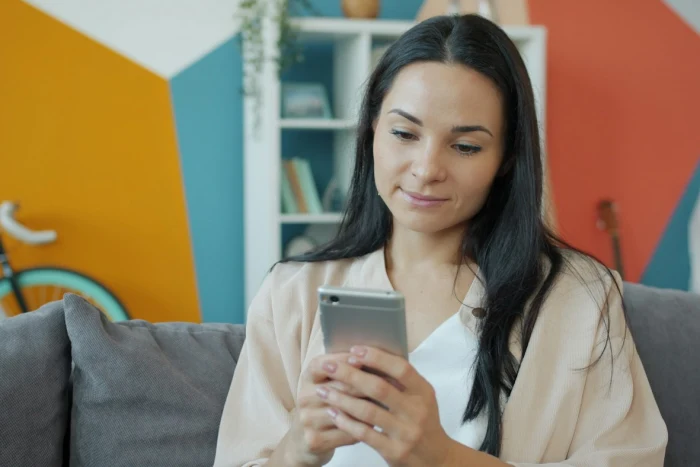
Social media ads, such as those on Facebook and Instagram, let you reach people by age, location, interests and behaviour. Your ad appears in their feed, stories or reels while they browse. This makes social ads great for introducing a new brand, showing products visually and building a following, even when people did not know they needed you.
- Reach people actively searching for you
- Strong buying intent, often ready to act
- Best for services, repairs and urgent needs
- Text-based ads, with images and video on some formats
- Cost depends on how competitive your keywords are
- Reach people based on interests and profile
- Build awareness before people start searching
- Best for visual, new or lifestyle products
- Images, videos and reels do the selling
- Often a lower cost to reach large audiences
When Google Ads Should Come First
If customers already know what they want and go to Google to find it, search ads put you in front of them at the perfect moment. You are not convincing anyone to want something; you are making sure they choose you when they are ready.
Start With Google Ads If
- People search for your service when they have a clear need
- You offer urgent or local services, like repairs, clinics or legal help
- You sell B2B products or services that buyers research online
- Your product is expensive and customers compare options before buying
- You want enquiries quickly and can handle calls right away
When Social Media Should Come First
Some products are not searched for much, because people do not know they exist yet. In these cases, waiting for searches means waiting forever. Social media lets you show your product to the right people and create the demand yourself.
Start With Social Media Ads If
- Your product looks great in photos or short videos
- You are launching a new brand or product people do not search for yet
- You sell fashion, food, beauty, decor, gifts or lifestyle items
- Your product is low-priced and easy to buy on impulse
- You want to build a community and repeat customers over time
Did you know?
You can check whether people are searching for your product before spending a rupee. The free Google Keyword Planner shows roughly how often keywords are searched. If searches for your product are very low, social media may be the better place to start.

What If Your Budget Is Small?
With a limited budget, focus on one channel first instead of spreading a little money everywhere. Pick the channel that best matches how your customers buy, run it properly for a few weeks and learn from the results. Splitting a small budget across too many platforms often means none of them gets enough data to work well.
A Simple Plan to Spend Your First Budget
- Write down who your customer is and how they usually find businesses like yours.
- Check search demand for your main product or service using a keyword tool.
- Pick one channel to start: Google Ads for high search demand, social media for low search demand.
- Set up conversion tracking for calls, forms, WhatsApp chats or sales before you launch.
- Run a small daily budget for three to four weeks without changing everything at once.
- Review your cost per lead, keep what works and stop what does not.
- Once one channel is profitable, add the second to support it.
Quick tip
Send ad visitors to a page that matches the ad exactly. If your ad is about "kitchen renovation", do not send people to your home page. A focused landing page with a clear call or WhatsApp button usually turns many more clicks into enquiries.
- Judging ads by likes and views alone
- Boosting random posts without a clear goal
- Targeting everyone instead of your real buyers
- Changing ads every day before they gather data
- Sending traffic to a slow or confusing page
- Measure calls, enquiries and sales
- Run campaigns built around one clear goal
- Target by location, interests and buying intent
- Give each test a fair run of a few weeks
- Use a fast, mobile-friendly landing page
The Best of Both: Using Search and Social Together
Over time, the strongest results usually come from using both channels together. Social media ads introduce your brand and create interest, while Google Ads capture people when they later search for what you offer.
You can also use retargeting, which shows ads to people who visited your website but did not contact you. It is a simple way to remind interested visitors about your business and bring them back when they are ready to decide.
Do not ask "Which platform is better?" Ask "Where are my customers when they decide to buy?" If they search, start with Google. If they scroll, start with social. Then let real enquiry numbers, not opinions, guide your next step.
Frequently Asked Questions
How much should I spend on ads when I am just starting?
Start with an amount you are comfortable testing for at least a month, rather than a big one-time spend. A small daily budget is enough to learn which keywords, audiences and ads bring enquiries. Once you see what works, increase the budget on the winners.
Which gives faster results, Google Ads or social media ads?
Google Ads usually bring enquiries faster for services people actively search for, because your ad appears at the moment of need. Social media ads can also bring quick results for eye-catching or impulse products, but building trust and awareness often takes a little longer.
Can I run Google Ads and social media ads at the same time?
Yes, and many businesses do once they have found a starting point that works. A common approach is to use Google Ads to capture ready buyers and social media ads to build awareness and remind past visitors to come back.
Do I need a website to run ads?
You can run some ads without a website, such as call ads or ads that open a WhatsApp chat or lead form. Still, a clear, fast landing page usually improves results, because it answers questions and builds trust before people contact you.
Is posting on social media enough, or do I need paid ads?
Regular posting builds trust and keeps existing followers engaged, but organic reach is often limited. Paid ads help you reach new people beyond your followers. Most businesses get the best results by combining good content with a modest ad budget.
How do I know if my ads are working?
Track real outcomes, not just likes or clicks. Set up conversion tracking for calls, form enquiries, WhatsApp messages or sales, then compare the cost of each lead with what a customer is worth to you.
Final Thoughts
There is no single winner between social media and Google Ads. Google Ads work best when customers are already searching, and social media ads work best when you need to create interest and show your product in action.
Start with the channel that matches how your customers buy, keep your budget focused, and track real enquiries from day one. Once you find what works, you can grow with confidence and add the other channel to make your marketing even stronger.
Not Sure Where to Start Advertising?
Tell us about your business and get a simple ad plan that fits your goals and budget.